.png)
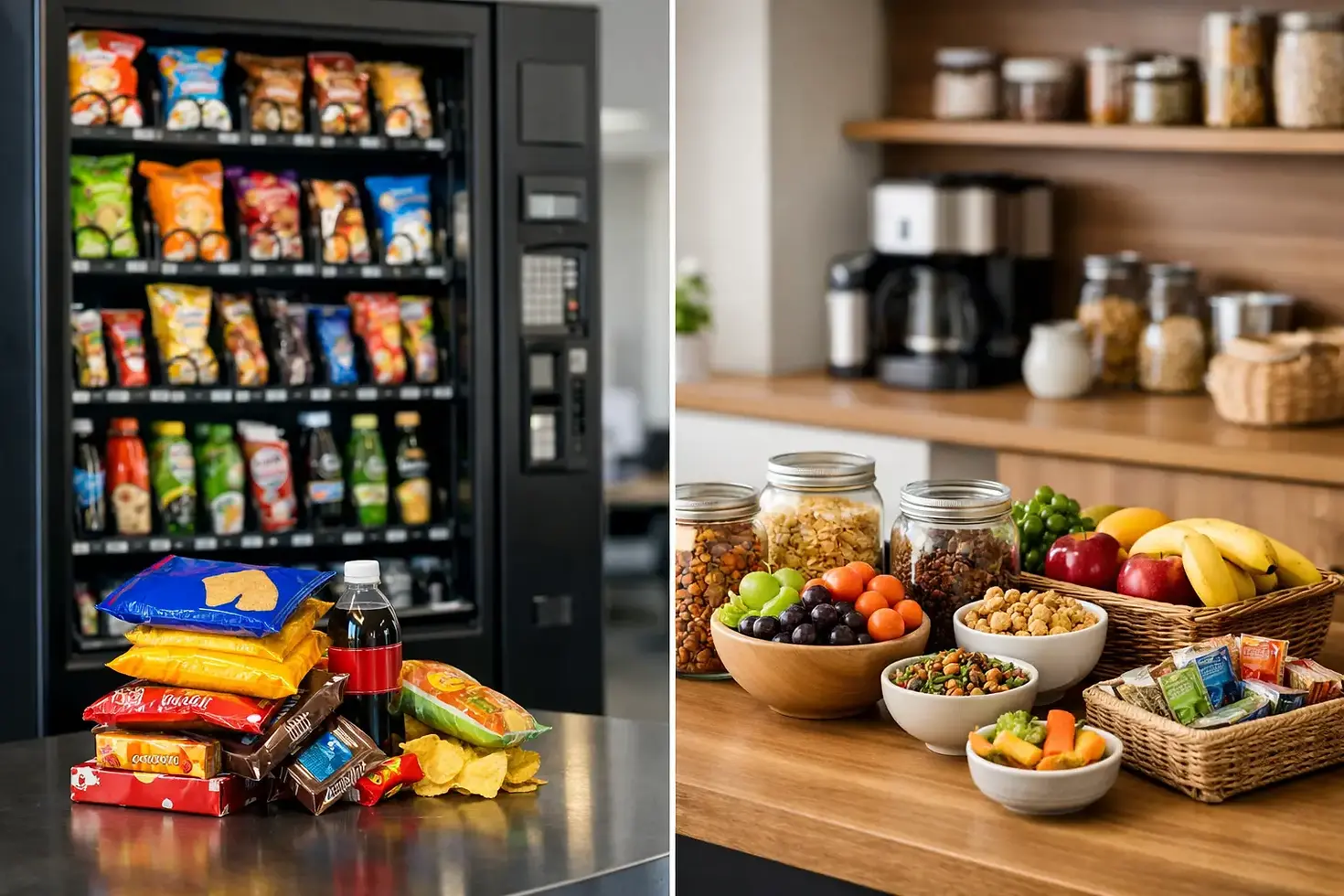
Snack Vending vs Office Pantry
- ayanajohnson8
- May 29
- 6 min read
At 2:30 p.m., the breakroom tells the truth about your workplace. If the shelves are empty, the fridge is a mess, or employees are leaving the building just to grab a snack, that convenience gap shows up fast. When business leaders compare snack vending vs office pantry, they are usually trying to solve the same problem - how to make the workday easier without creating one more thing to manage.
For offices, commercial properties, and shared work environments, both options can improve employee comfort. Both can also fall short if the setup does not match the way people actually use the space. The better choice depends on traffic, budget, expectations, and how much operational responsibility your team wants to keep in-house.
Snack vending vs office pantry: what changes day to day
An office pantry sounds simple at first. You set out snacks, drinks, coffee supplies, or light refreshments, and employees help themselves. In some workplaces, that creates a more hospitality-driven feel. It can support culture, especially in smaller offices where leadership wants to offer complimentary items as a visible perk.
The challenge is that a pantry is rarely self-running. Someone has to monitor inventory, place orders, receive deliveries, organize products, clean the area, rotate items, and keep an eye on waste. In busy offices, that responsibility tends to land on an office manager, facilities contact, or operations lead who already has a full plate.
Snack vending works differently. Instead of your team buying, stocking, and managing products, the service provider handles the machine, the product mix, and ongoing replenishment. Employees and visitors can purchase what they want when they want it, often with cashless payment options that fit how people buy today. That changes the breakroom from a manually managed supply zone into a dependable amenity.
For many workplaces, the real question is not which option sounds better. It is which one creates the least friction while still giving people convenient access to refreshments.
Cost looks different depending on the model
Budget is often the first factor in the snack vending vs office pantry conversation, but cost is not always as straightforward as it seems.
With an office pantry, the spending is direct and visible. The company pays for snacks, drinks, paper goods, storage, and sometimes refrigeration. If the pantry is meant to be free for employees, every item is a company expense. That may work well for teams with a limited headcount and a clear monthly budget, but costs can rise quickly when usage grows or when products disappear faster than expected.
There is also the hidden labor cost. Even if no one tracks it formally, time spent ordering, restocking, cleaning, and troubleshooting is still part of the total investment. For decision-makers managing multiple priorities, that time matters.
Snack vending shifts the structure. In many cases, the employer is not purchasing the inventory at all. Employees buy the items they want, and the vending provider manages the rest. That can make vending especially attractive for workplaces that want to offer convenience without taking on recurring pantry purchasing costs.
Of course, there are trade-offs. If your goal is to provide free food as a company-funded benefit, vending is a different model. But if your goal is practical access to snacks and drinks without a heavy administrative burden, vending often creates a more predictable setup.
Employee experience matters more than the format
A lot of workplaces assume an office pantry automatically feels more employee-friendly. Sometimes it does. Free snacks can send a positive message, especially when the assortment is thoughtful and the area is kept clean and well supplied.
But employees care just as much about consistency as generosity. A pantry that is frequently understocked, cluttered, or limited in variety can become frustrating. If people never know what will be available, the perk starts to feel unreliable.
That is where vending can perform better than some managers expect. A modern vending machine with popular snacks, cold drinks, better-for-you options, and easy payment can meet the real need quickly. People do not have to wonder whether anything is left or whether someone remembered to reorder. They can walk up, make a selection, and get back to work.
In larger offices or shared properties, vending may also feel more fair. Everyone has access, products are visible, and there is less chance that a few heavy users will wipe out the free inventory before others get to it.
Variety and control are not the same thing
One reason some businesses lean toward a pantry is the sense of control. You can choose brands, set budgets, and decide what is offered. That can be helpful if your workplace has very specific preferences or wants a tightly curated refreshment program.
The problem is that control only helps if someone has time to use it well. If the pantry selection stays static, or if ordering is based on guesswork instead of actual demand, the result may be a shelf full of items people do not want.
Vending can offer a different kind of flexibility. A strong vending partner pays attention to what moves, what sits, and what your workplace is asking for. That means the selection can be adjusted around real usage rather than assumptions. For offices that want a mix of traditional snacks, beverages, and healthier options, that kind of product curation can improve satisfaction without creating extra work internally.
Maintenance is where the gap gets real
This is often the deciding factor for operations teams. A pantry may look low-tech, but it creates ongoing maintenance needs. Someone has to keep it organized, wipe surfaces, remove expired products, handle spills, and deal with storage. If drinks are involved, refrigeration becomes part of the picture too.
Snack vending centralizes much of that responsibility. The equipment is designed for the purpose, the products are contained, and service is part of the model. When managed well, vending reduces the number of small breakroom issues that interrupt the day.
That does not mean every vending setup is equal. Reliability matters. A machine that is outdated, poorly stocked, or hard to pay at will not improve the workplace experience. That is why service quality should matter as much as product selection when choosing a provider.
For Atlanta-area businesses that want a cleaner, more hands-off solution, a dependable vending partner can remove a surprising amount of breakroom friction.
When an office pantry makes sense
An office pantry can be the right choice in a few situations. Smaller teams with modest consumption may find it easy to manage. High-end client-facing environments may prefer a more open hospitality presentation. Some employers also want to fully subsidize snacks and drinks as part of their culture strategy, and a pantry can support that goal more directly.
Still, even in those cases, it helps to be realistic. The pantry needs ownership. Without clear accountability, it tends to decline over time.
When snack vending is the better fit
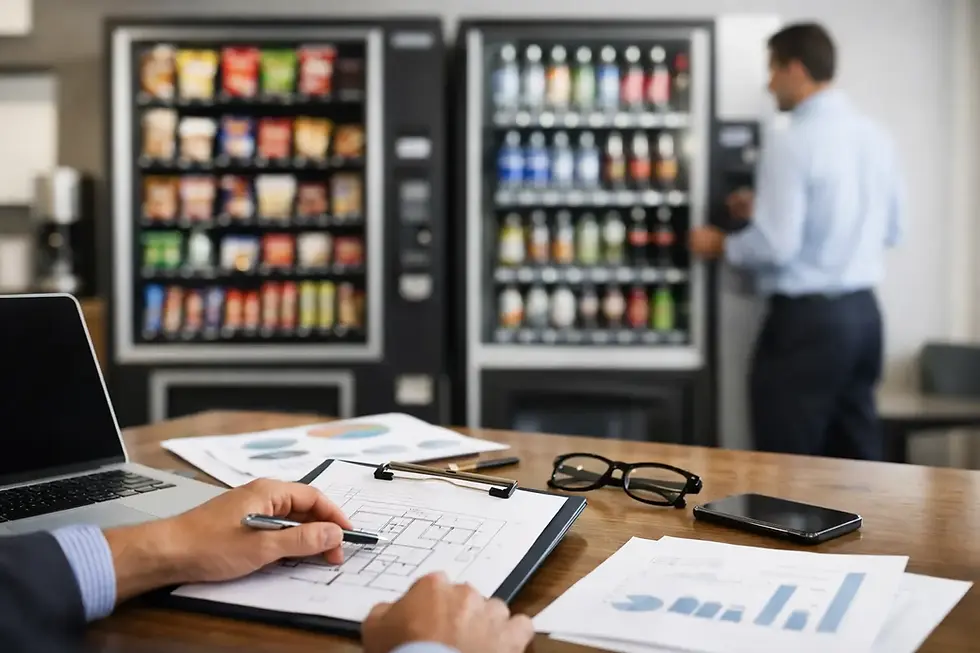
Snack vending is often the stronger option for workplaces with steady foot traffic, mixed employee preferences, extended hours, or a need for simple administration. It is especially useful when leadership wants to improve convenience without assigning another recurring task to internal staff.
This is why many offices, property managers, and facilities teams prefer vending in practice. It delivers everyday access to refreshments while reducing the burden on the people already keeping the workplace running.
A provider like K & A Vending Solutions LLC is built around that model - modern equipment, dependable restocking, easy payment options, and a product mix designed around what people actually want during the workday.
The best answer may be a hybrid
It does not always have to be one or the other. Some businesses keep a light pantry for coffee, water service, or a few company-provided basics, then add snack vending for broader selection and around-the-clock access. That can work well when you want the welcoming feel of a pantry without trying to stock every snack and drink manually.
A hybrid approach also gives you more control over budget. You can reserve complimentary items for essentials while letting employees choose from a larger paid selection for everything else.
The right setup should make your workplace easier to run and more comfortable to use. If your current breakroom creates extra work, inconsistent access, or regular complaints, that is usually a sign the model needs to change. The best refreshment solution is the one people can count on every day.


Comments