.png)
Choosing Commercial Beverage Vending Machines
- ayanajohnson8
- Apr 5
- 6 min read
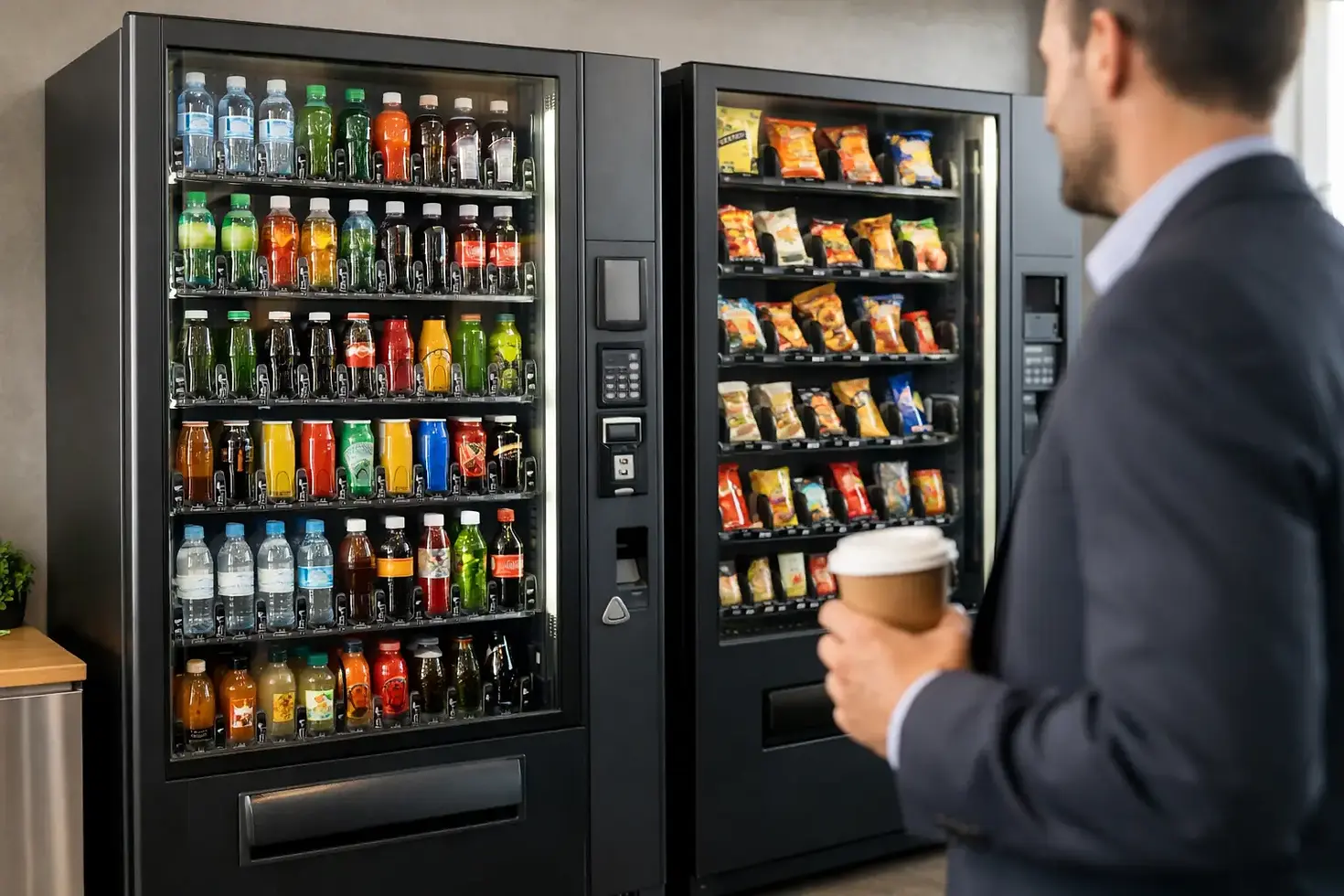
A breakroom feels different when people can grab a cold drink without leaving the building. That is why commercial beverage vending machines have become a practical upgrade for offices, commercial properties, and other busy workplaces that want to make the day easier for employees and visitors.
For many Atlanta-area businesses, the question is not whether people want convenient drink access. They do. The real question is what kind of vending setup makes sense for the space, the traffic level, and the expectations of the people using it. A good beverage machine should do more than hold inventory. It should stay stocked, work consistently, offer payment flexibility, and fit naturally into the daily rhythm of the workplace.
Why commercial beverage vending machines matter at work
When a workplace has no easy refreshment option, employees notice. People leave the building for a soda, an energy drink, or a bottle of water. Short breaks become longer. Visitors wait without a simple amenity. In offices and commercial spaces where convenience matters, that friction adds up.
Commercial beverage vending machines help remove that friction. They provide on-site access to drinks people already buy during the day, whether that is water, soft drinks, sports drinks, sparkling options, tea, or energy drinks. The benefit is immediate. Employees spend less time searching for refreshments, and managers do not have to coordinate a manual breakroom beverage program.
There is also a workplace experience angle that matters more than many businesses expect. Small conveniences shape how comfortable a space feels. A well-stocked beverage machine signals that the property is organized, thoughtful, and prepared for everyday needs. That can support employee satisfaction and create a better experience for customers, tenants, and guests.
What business buyers should expect from beverage vending
Not every vending solution delivers the same result. Some machines are outdated, limited in payment options, or poorly maintained. Others are modern, dependable, and stocked around real buying habits. That difference has a direct impact on whether a machine becomes a valued amenity or a source of complaints.
A strong vending setup starts with machine reliability. If bills are rejected, card readers fail, or drinks are frequently unavailable, people stop trusting the machine quickly. Reliability is not just about hardware. It also depends on how often the machine is serviced, how inventory is monitored, and how quickly issues are resolved.
Product selection matters just as much. Workplaces rarely have one-size-fits-all preferences. Some teams lean toward bottled water and zero-sugar drinks, while others buy energy drinks, iced coffee, juice, or traditional soft drinks. The best operators do not guess. They build a product mix around the location and adjust it over time based on what actually sells.
Payment convenience is another basic expectation now. Cashless options are no longer a nice extra for most locations. Employees and visitors want to pay with cards, phones, and other contactless methods. A machine that only works well for cash users will feel behind the times in many office and commercial settings.
The features that make commercial beverage vending machines worth it
From a business perspective, the value of commercial beverage vending machines comes down to day-to-day performance. A machine should be easy for people to use and easy for the property to live with.
Modern refrigeration is a major part of that. Drinks need to stay cold and consistently appealing, especially in warmer months and in high-traffic environments. A machine that cools unevenly or struggles to maintain temperature creates a poor experience, even if the product selection is solid.
Capacity matters too, but bigger is not always better. A location with steady employee traffic may need a machine with broad variety and higher volume storage. A smaller office may benefit more from a right-sized machine with a focused mix of best sellers. The right choice depends on traffic patterns, available space, and how often restocking can realistically happen.
Remote monitoring can make a real difference behind the scenes. When a vending provider can track sales and stock levels, service becomes more proactive. Fast-moving products can be replenished before they run out, and recurring machine issues can be identified early. That leads to fewer empty slots and fewer disruptions.
Then there is presentation. A clean, modern machine fits better in workplaces that care about appearance and professionalism. In lobbies, shared break areas, and tenant spaces, equipment should feel like part of a well-managed environment, not an afterthought.
Matching the machine to the location
This is where a lot of vending decisions either work well or miss the mark. The right beverage machine for a warehouse break area may not be the right fit for a medical office, a multi-tenant commercial property, or a corporate office suite.
In a busy office, variety is often the priority. People may want bottled water, sparkling water, soft drinks, energy drinks, and a few lower-sugar choices in one machine. In a property with visitor traffic, recognizable brands and simple payment options may matter most. In industrial or high-shift environments, machine durability and high-volume restocking can become the bigger concern.
It also helps to think about usage times. Some locations have steady all-day demand, while others have short rush periods in the morning, at lunch, and mid-afternoon. A provider that understands those patterns can stock more effectively and reduce sellouts.
Space planning is another practical factor. Beverage vending should be convenient, but it should not interfere with flow through hallways, breakrooms, or common areas. Placement affects usage more than many businesses realize. If the machine is easy to access and located where people naturally gather, it tends to perform better.
Service is what keeps the vending machine valuable
The machine itself matters, but service is what determines whether the amenity keeps working for the business. That is especially true for decision-makers who do not want another operational headache.
A dependable vending partner handles stocking, maintenance, and issue resolution without putting the burden on the property team. That means fewer employee complaints, less time spent chasing service calls, and more confidence that the machine will stay in good condition.
This is also where local responsiveness can matter. If a machine is down or inventory needs adjustment, businesses want support that feels accessible and accountable. For Atlanta-area workplaces, that kind of service can be the difference between a vending setup that quietly supports the workplace and one that causes frustration.
K & A Vending Solutions LLC approaches vending as a workplace convenience service, not just a machine placement. That distinction matters because businesses are not simply adding equipment. They are adding a daily-use amenity that needs to reflect well on the location.
Common trade-offs to think through
There is no single perfect vending setup for every property. More variety sounds appealing, but too much variety can lead to slow-moving products and less efficient restocking. A narrower selection may sell better if it is built around clear employee preferences.
A larger machine can support more demand, but it also requires enough space and consistent usage to justify it. A premium product mix can improve perception, though it may not be the best fit for every audience or price point. It depends on who is using the machine and what they buy most often.
Some businesses also wonder whether vending is worth it if they already have a breakroom. In many cases, it still is. A breakroom refrigerator and vending machine solve different problems. One depends on employees bringing their own drinks or on someone internally managing supplies. The other provides ready-to-buy convenience without adding work for the office team.
How to evaluate a vending provider
If you are considering commercial beverage vending machines for your location, the practical questions are straightforward. Ask how the machine will be stocked, how service requests are handled, what payment methods are available, and how product selection is determined. Ask how often the route is reviewed and how the provider responds when demand changes.
It is also worth paying attention to whether the conversation focuses only on equipment or on the full workplace experience. The better approach is always broader. A beverage machine should support employee comfort, reduce daily inconvenience, and make the property feel better equipped for the people who use it.
That is why the best vending decisions are not based only on machine specs. They are based on how well the solution fits the location and how reliably it will be maintained over time.
When a workplace offers easy access to cold drinks, people notice in a good way. It is a simple amenity, but the right setup can make the day run smoother for everyone who walks through the building.


Comments